Dr. Sammy Sliwin, a prominent Toronto plastic surgeon whose distinguished career was ultimately overshadowed by a highly publicized licensing battle, has died on August 2, 2026. He was approximately 70 years old. A University of Toronto graduate and Royal College-certified specialist, Sliwin was at the forefront of cosmetic surgery for decades . He also pioneered stem cell research and fat grafting techniques . However, his legacy is inextricably linked to the professional misconduct finding that led to the mandatory revocation of his medical license in 2017 following a long-term relationship with a patient, an appeal he ultimately lost . Here is what we know about his life, his career, and the complex legacy he leaves behind.
Dr. Sammy Sliwin, a renowned Toronto plastic surgeon and stem cell researcher, died on August 2, 2026. A University of Toronto graduate (1980) and Royal College-certified specialist , his career ended following the 2017 revocation of his medical license for professional misconduct. The College of Physicians and Surgeons found he had a sexual relationship with a patient, Ms. A, while performing multiple surgeries on her .
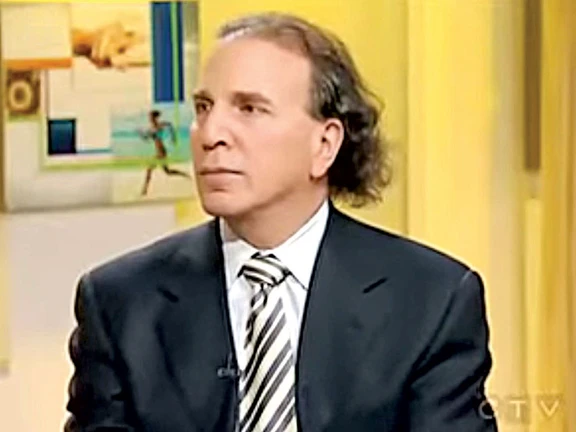
A Career in Plastic Surgery and Stem Cell Research
Dr. Sammy Sliwin was a major figure in Toronto’s cosmetic surgery scene. After graduating from the University of Toronto in 1980, he earned his certification from the Royal College of Physicians and Surgeons of Canada in 1986 . For years, he practiced at the Forest Hill Institute of Aesthetic Plastic Surgery, where he was Medical Director .
In addition to his work in aesthetic surgery, Dr. Sliwin was a pioneer in stem cell research. He was the Founder and Medical Director of AdiSave, a Canadian clinic that harvested and stored stem cells from human body fat . He argued that this technique had immense potential for repairing injuries and treating illnesses, stating fat tissue contains “500 times more stem cells compared to bone marrow” .
The Disciplinary Case and Licence Revocation
Dr. Sliwin’s career came to an abrupt end due to a disciplinary case involving a woman identified only as “Ms. A” due to a publication ban . The details of the case became a landmark in medical jurisprudence.
Key events of the case:
-
The Relationship: The pair met in 1988 when Ms. A was a 29-year-old married mother. She worked for Dr. Sliwin from 1992 to 1995 and again from 2000 to 2005 .
-
The Surgeries: Between 1992 and 2008, Dr. Sliwin performed multiple cosmetic surgeries on Ms. A at no charge .
-
The Affair: The first sexual encounter occurred on March 8, 2001. The on-again, off-again sexual relationship continued through 2007 .
-
The Finding: In 2013, the Discipline Committee of the College of Physicians and Surgeons found him guilty of sexual abuse of a patient and professional misconduct, noting he failed to maintain professional boundaries .
-
The Appeal: Dr. Sliwin’s legal team, led by prominent lawyer Marie Henein, argued that the mandatory revocation was unconstitutional, but the Divisional Court dismissed the appeal in March 2017 . The court noted there was “no constitutionally protected right for a physician to have sex with an ongoing patient” .
The disciplinary committee accepted the principle that a doctor-patient relationship creates a “power imbalance,” meaning such relationships cannot be truly consensual . The court also rejected his defence that the relationship was akin to a spouse or pre-dated the patient relationship .
The Legacy of a Fallen Surgeon
Dr. Sliwin’s death closes a chapter in a story that captivated the medical and legal communities. While his medical legacy is tainted by the professional misconduct finding, his work in cosmetic and stem cell surgery was influential. He was known for procedures like buttock augmentations and fat grafting, and his research was considered ahead of its time .
However, the 2017 court decision, which upheld the “black letter, bright line prohibition” on doctor-patient sexual relations, has become a benchmark for patient safety . It serves as a stark warning to the medical profession about the consequences of boundary violations. He was found to have engaged in “disgraceful, dishonourable and unprofessional” conduct .
Frequently Asked Questions
Who was Dr. Sammy Sliwin?
Dr. Sammy Sliwin was a Toronto-based plastic surgeon and stem cell researcher. He graduated from the University of Toronto (1980) and was certified in Plastic Surgery by the Royal College of Physicians and Surgeons of Canada in 1986 .
Why did Dr. Sammy Sliwin lose his medical licence?
He lost his licence in 2017 after the College of Physicians and Surgeons found he had committed professional misconduct by having a sexual relationship with a patient, Ms. A, while performing cosmetic surgeries on her. His appeal against the mandatory revocation was dismissed .
What was Dr. Sliwin’s connection to stem cell research?
Dr. Sliwin was a pioneer in adipose-derived stem cell therapy. He founded AdiSave, a Canadian stem cell bank, and conducted research on harvesting stem cells from human fat for use in regenerative medicine .
Who was Ms. A in the Dr. Sliwin case?
Ms. A was a patient and former employee of Dr. Sliwin whose identity is protected by a publication ban. Her relationship with Dr. Sliwin and the surgeries he performed on her were central to the professional misconduct case .
When did Dr. Sammy Sliwin die?
Dr. Sammy Sliwin died on August 2, 2026. He is survived by his family.
Conclusion
Dr. Sammy Sliwin’s life was one of stark contrasts: a surgeon who contributed to cutting-edge medical research and a physician who was found to have violated the most fundamental trust of his profession. His story serves as a powerful reminder that medical expertise does not excuse boundary violations and that the protection of patients is paramount. While his passing is noted in the family notices, his legacy in the medical community will be defined by the case that ended his career.